
Upgrade From Windows 7: A Guide To Modern Windows & Office Licensing.
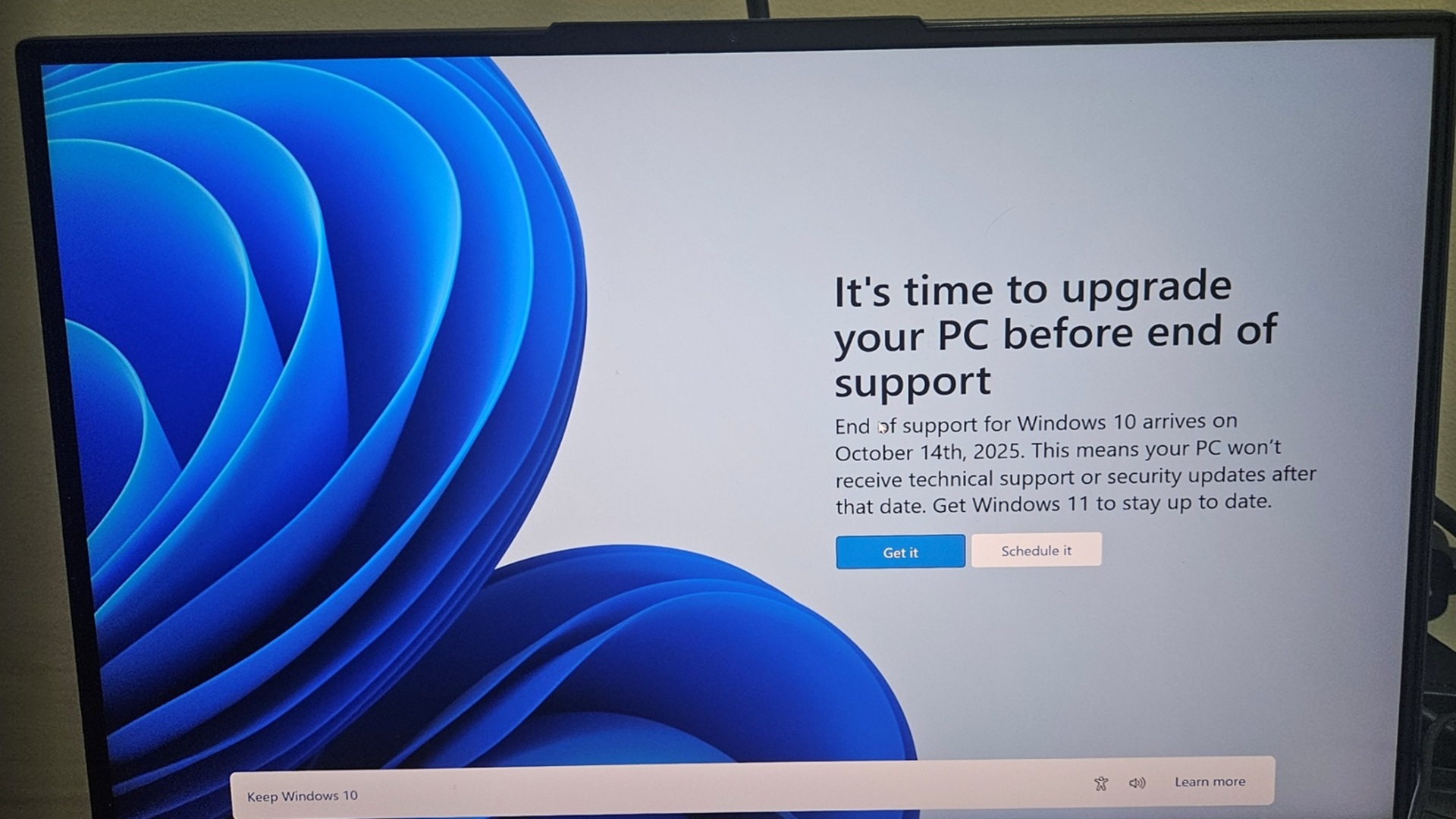
Windows 7 is no longer being supported. This signified not only the end of an operating system, but also the end for an entire era when it came to software licensing. For individuals and businesses clinging to `windows 7`, the upgrade path to Windows 11 is not a simple re-installation–it's a migration to a fundamentally different digital paradigm. The shift is encompassing everything from how you purchase an windows11 lizenz to the way you protect your system and collaborate with Office. Cloud-integrated licensing, digital licences and ecosystem-wide protection have replaced single-time purchases, physical media and isolated software suites. This transition is best navigated by identifying the 10 key intersections where legacy practices meet the needs of today. As an example, the decisions taken regarding your OS could directly affect the productivity suites you use, your security capabilities and future scalability.
1. Hardware Gauntlet – Your first, non-negotiable step
Windows 11 hardware requirements must be met before you even consider buying Windows 11 (TPM 2.0 Secure Boot and modern CPU). Windows 7-based PCs, specifically older than 2017, aren't able to pass this test. This isn’t a Microsoft money grab, it's an essential security requirement. These functions form the "hardware base of trust" that modern security products like Windows Defender and even third-party suites like `kaspersky premium` depend on. In the absence of these requirements, using unofficial ISO modifications creates a unstable and unsupported system, that negates the security benefits the upgrade can provide. You're left less secure than on Windows 7.
2. License migration myth Myth of the migration of your Windows 7 Key (mostly obsolete)
In the past, it was possible to use a Windows 7 Pro activation key for Windows 10. Windows 11 no longer has this grace period. Windows 7 OEM licenses aren't valid for Windows 11 installations if your hardware is outdated. That means you're starting from the beginning. This means that your search for Windows 11 lizenz buy is a brand new way to procure that requires you to comprehend the modern OEM as well as. Retail environment beginning from scratch.
3. The Office Licensing Revolution – From Standalone Licensing to Ecosystem.
If you're running Office 2010 or 2013, you're used to the recurring "office lizenz". The latest version, Office 2021, is a dead-end product on day one–it gets security patches but it doesn't have any new features. Microsoft 365 is the upgrade route to productivity. This is a significant change and you're not just updating Office; you're adopting the cloud identity (Azure AD) and 1TB of OneDrive storage, and also enabling real-time collaboration. Office lizenz should not be bought every ten years, but rather as an ongoing expense that includes upgrades and services.
4. Security is not an afterthought. It's time to change the mindset.
Windows 7 users probably used an alternative antivirus program, such as the old Norton 360 suite. Windows 11 is a game changer. Windows Security (Defender), that is part of Windows 11 has been upgraded to a cloud-integrated, top-of-the-line solution. Installing an older third-party solution can cause conflict and affect performance. The moment to upgrade is the perfect time to reassess. Do you need a separate security suite like Kaspersky Premium, necessary or will Defender and the most recent hardware capabilities suffice? The answer depends on your threat model, but the assumption that you must buy separate antivirus is not automatically true.
5. The Clean Install Imperative and Data Migration Strategy
It is not advised to upgrade Windows 7 in place to Windows 11. This can lead you into instability. This must be an entirely new installation. This process forces users to move their data in a systematic way. It's time to shift your data from local drives and onto the cloud. Microsoft 365 subscriptions include OneDrive. By enabling Known Folder Move to back up your Desktops, Documents, and Pictures in the initial setup phase and migration of data will be seamless and is cloud-synchronized. Your data is no longer PC-centric but user-centric.
6. The Professional Feature Crossroads – Professional is the new Minimum.
Windows 11 Pro must be purchased when Windows 7 Professional was used for BitLocker hosting domain joining Remote Desktop, or BitLocker. A `windows 11 home keyis a grave error for business or professional use. Home can't connect to domains. It lacks BitLocker security and the Group Policy Editor. Windows 11 Pro is only available as an Microsoft 365 Business or Retail license for Windows 7 Pro users. This will allow them to retain their professional features as well as data security.
7. Be wary of Grey Market Sirens Calling During the Transition.
The urgency to upgrade fast and the sticker-shock associated with new licenses leads many to look for low-cost "windows11 oem" keys in gray markets. This is a huge mistake to make during a time of transition. These keys are not reliable and will leave you with a weak foundation as you create a new system. If you invest in an authentic Retail license or Windows subscription (like Microsoft 365 Business), you can enjoy peace ofmind, direct customer support, and a guaranteed for future upgrades. The cost of a gray-market important factor is the loss of all data and time in the event that it is deactivated.
8. Cloud Computing: Future-proofing the Cloud with The Server Connection
Windows 7 was likely part of a domain, so your future will probably have a server like windows 2025. Windows 11 Pro alone is not enough to integrate modern technology. A deeper knowledge of what cals are (Client-Access Licenses) is necessary. The cloud alternative is Azure Active Directory, included with Microsoft 365 Business plans. It is up to you decide whether you wish you want to move to Windows 7 and continue to invest heavily in on-premises servers and CALs. Or do you decide to switch to cloud-based Identity and device Management (Intune), via the monthly subscription? Both options differ in terms of licensing and costs.
9. Driver Archaeology as well as the Need for a Modern Hardware Base.
Windows 7 thrived with a extensive library of driver versions from the past. Windows 11 relies on modern cloud-based drivers, which are often available through Windows Update. Windows 7 is often the only computer that is compatible with specific hardware. The upgrade assessment must include a full hardware compatibility check. This will often reveal that the upgrade is actually requiring new hardware. So, a brand new PC with pre-installed Windows 11 OEM is the most effective secure, stable, and reliable option.
10. A shift in the philosophy of things: From Ownership, to Access and Manage.
The move from Windows 7 to Windows 8 is in essence a philosophical shift. The static model of software ownership (windows7 DVD, Microsoft Office 2010 box) is being replaced by an subscription-based service or digital license that is characterized by very strict transfer restrictions. You move from an antivirus that is bolted on to a hardware-based protection. Your data is moved from your local identity to cloud storage. Embracing the holistic change by using genuine Windows 11 Pro licensing, the Microsoft 365 membership, and taking advantage of the modern security is the only way to ensure that the upgrade provides not only a brand-new OS, but a resilient and scalable computing platform for the coming decade. Read the most popular windows 11 lizenz for site examples including visio software download, micro soft outlook, office 2019 professional plus, ms visio, ms visio software, office 2019, visio software download, windows server 2016 server, microsoft ms office 2016, office 2019 and more.
Software Licensing Evolution: From One Time Purchase To Subscription.
Microsoft 365 subscriptions represent one of the most significant shifts in technology-driven economics. This change doesn't just require a new method of payment but also a fundamental change in the user's relationship to software. It will have an impact on productivity and security and the total cost. The old paradigm–exemplified by a one-time `office lizenz kaufen` or an `windows 11 oem` key tied to hardware–valued static ownership and predictable, upfront capital expenditure. This new paradigm is embodied by subscriptions such as Microsoft 365 (Windows), Kaspersky premium, and norton 360. It is a way to trade in permanence for cloud-based updates, the shift from capital expenditure to operating expenses and constant updates. Understanding the evolution of this model allows you to navigate contemporary licensing options, stay clear of the dangers of grey market keys (windows purchase of lizenz) and make the right decisions that align with the current way that software operates.
1. The Security Imperative drove the change.
Modern cyber-attacks have brought an end to one-time purchase. A perpetual office lizenz that was in place prior to 2019 or an old `windows 7` license becomes an enormous security risk as the threats increase beyond its initial model. Subscribers are financially aligned with their security. Microsoft must continually upgrade Defender and Office 365 to justify your monthly fee; Norton and Kaspersky must include new security options to keep your. The old model had the end-of-support cliffs that were similar to Windows 7's. However, the subscription offers a constantly maintained security boundary.
2. From Product to Platform The Ecosystem Lock-In.
A one-time purchase was made for a product. Subscriptions are for platforms. By purchasing a Windows 11 home keygives you an operating system. Microsoft 365 Business subscriptions include Windows 11 with upgrade rights, Office, OneDrive Teams SharePoint and Intune device control. Interoperability is the main feature. This allows for powerful lock-in however, it also provides a tremendous functionality and convenience that a collection of perpetual, separate licenses (`windows 11 lizenz`, office lizenz, and a separate backup) could never achieve. The licensing unit moves between the device and user identity.
3. The grey market's Existential Crisis.
The subscription model has an inherent antipathy towards the dark market that is awash in windows11 purchase frauds. A subscription is not a static sequence of numbers however, it's an account credential. It is linked to a billing account and expires. This makes it virtually impossible to sell illegally in the same way that Volume License or OEM keys are. The increasing number of subscriptions is gradually destroying key resellers, forcing users away from the market or reverting to outdated, unsecure perpetual versions.
4. Business Accounting Revolution: Predictable OpEx and Lump-Sum CapEx.
This allows businesses to transition software from a major capital expenditure (CapEx, which is a large expenditure that is rarely used, but amortized for years) instead of a ongoing operational expense. Smaller businesses can benefit by enhancing their cash flow. Budgeting can also be affected. You will need to include the cost of the cals you will pay for the "windows 2025" server and the fees per user for productivity and security software. It is not uncommon to find the total price of a subscription to exceed the initial one-time fee, however, it also includes the continuous assistance and new features offered by the new model.
5. Windows 11 Dual Nature: the "Hybrid Model".
Windows 11 is the only operating system that can be used in both periods. You can still buy an oem Windows 11 for one timeor retail license (the older model). Microsoft 365 Business/Enterprise subscriptions (the modern model) include this feature. This hybrid model can lead to confusion. Windows subscriptions don't concern the OS in a traditional sense. They're about the need to be able to use the latest version of Windows and its associated cloud-based services. There are two distinct categories of users, those that"own" a static backup service (Windows 11 24-H2) and those that “leasethe perpetually updated system.
6. Third-Party security software was the pioneer.
Norton (norton360) and Kaspersky Premium (kaspersky premium) were among the first companies to implement a subscription model for their consumer-oriented software. Their business was based on updated definitions of threats. They swiftly switched from selling a 3-year license to a monthly subscription with auto-renewal and also bundles other services such as VPNs or password managers. This enhanced the value of their monthly subscription while reducing churn. Their model foreshadowed the wider shift that was taking place in the industry.
7. Parallels on the server side CALs were the initial "User subscription".
Client Access Licenses for Windows Server 2025 (cals), is the ancestor of today's subscription. The Client Access Licenses are an ongoing right to use the software even if you've already purchased the server. Although traditionally bought in bulk, they work as an "subscription" per user/per device to the server's service. Azure cloud model modernizes this, charging for access to compute, user and storage per second, month, or quarter. This is the last phase in the development of perpetual server licenses plus CALs in the direction of pure consumption-based pricing.
8. The Data Sovereignty Challenge and the Loss of "Permanence".
Subscriptions come with a downside and can be irrevocable. If you cease paying the subscription fee for your Office lizenz you may lose access to certain applications and your data may be lost if your data is trapped in the cloud-based ecosystem of the ecosystem. A perpetual Office 2021 license keeps functioning forever, albeit frozen in time. The vendor gains control and data is permanently locked into. Plans for data extraction and migration are vital to the subscription strategy of an experienced Office 2010 user.
9. Fragmentation, and the Counter-Trend of Bundling.
Subscription fatigue is being countered by an emerging trend. Lifetime licenses for niche software are an advertising tool that takes advantage of subscription fatigue. Bundling subscriptionssuch as the norton360 and Office deal — is an attempt to provide value and a streamlined experience in the increasingly fragmented world of subscriptions. As mentioned previously the majority of these bundles contain a Norton 360 subscription and an Office perpetual license. This creates a confusing combination that reveals the industry's awkward and confusing transitional state.
10. Strategic Licensing: The Integrated Stack in the Subscription Age
In the end, it means not having separate subscriptions but selecting an integrated stack. Microsoft 365 Enterprise is likely to include: Windows, Office 365, Email, Collaboration & Endpoint Security/Management, Azure AD &Intune for identity and device administration, replacing traditional windows 2025 and cals features, plus a specialized third-party security layer, such as Kaspersky Premium, to hunt for advanced threats. The goal is to minimize the number of vendors, and unify management and turn software that was previously a collection of products purchased into a seamless, smooth utility–like electricity–that powers the business on a constant basis and is predictable. Take a look at the recommended kaspersky premium for site examples including key 365 office, microsoft office software key, microsoft office software key, microsoft office download, microsoft ms office 2016, ms visio software, office 2016 software, office 2016, microsoft office download, microsoft office with key and more.